In the ever-evolving world of education, where classrooms brim with students of varying abilities, backgrounds, and learning styles, one constant remains: the challenge of meeting each student’s unique needs. We frequently enough find ourselves asking, “How can we provide a meaningful learning experience for everyone?” In our search for answers, we recently revisited a powerful resource: Carol Ann Tomlinson’s “how to Differentiate instruction in Academically Diverse Classrooms.” Initially published in 1995 as “How to Differentiate Instruction in mixed-Ability Classrooms,” this third edition has undergone a thoughtful update to reflect current best practices and the evolving needs of educators and students alike.
As we delved into this practical guide,we discovered a treasure trove of strategies and insights designed to help us create inclusive and engaging learning environments. Tomlinson’s work emphasizes the importance of understanding our diverse student population-how they learn,their interests,and the barriers they may face. This is not just a guide; it’s a roadmap for fostering a classroom atmosphere where every student feels valued and empowered. In this blog post, we’ll share our experiences with the book, exploring its key concepts and providing an honest review of how it can transform our approach to differentiation in teaching and learning. Join us as we unpack the tools and techniques that make “How to differentiate instruction in academically Diverse Classrooms” an essential read for educators passionate about meeting the needs of all learners.
table of Contents
Exploring the essentials of Differentiated Instruction in Our Classrooms
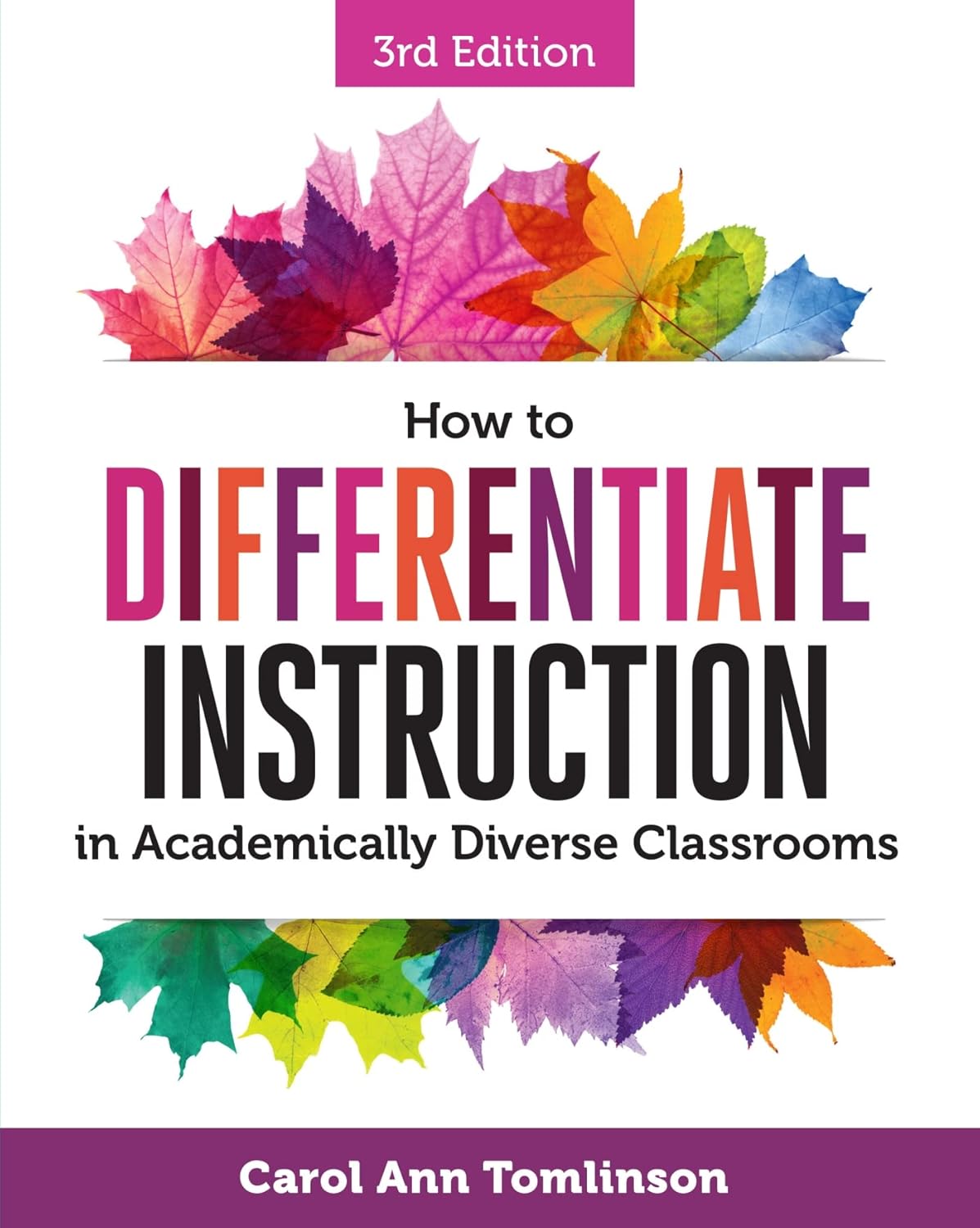
We often find ourselves in classrooms filled with students who learn in countless ways. It can be challenging to meet each learner’s needs effectively. That’s where How to differentiate Instruction in Academically Diverse Classrooms comes in handy. This book serves as a practical guide for educators. It emphasizes the importance of tailoring our instruction to cater to varied abilities and interests. The insights provided help us create a responsive learning habitat that all students can thrive in. We love that this resource doesn’t just dwell on theory; it gives us tangible strategies to implement differentiation in our day-to-day teaching.
the book dives into key features that every teacher can benefit from.One significant aspect we appreciate is the breakdown of how to differentiate content, process, and product. With these strategies at our fingertips, we can plan lessons that are not only respectful of our learners’ diverse backgrounds but also engaging. The guidelines on setting up a supportive learning environment resonate deeply with us. We want our classrooms to be places where students feel safe, valued, and ready to learn. The countless case studies included turn complex ideas into workable strategies, making them easier for us to apply in our classrooms.
We’ve all faced moments of doubt about how to implement differentiation effectively. As we shared our experiences, one common theme emerged: the frustration of feeling unprepared. This book is a true game-changer that lightens that burden. Readers rave about how it can spark fresh ideas and perspectives on differentiation. As a notable example,one teacher mentioned their shift from traditional methods to allowing students to express their learning verbally rather of on paper. This willingness to adapt can make all the difference! Hearing from others who have navigated similar challenges reassures us that we are not alone on this journey.
in reviewing the key takeaways from anyone who has read the book, it’s evident that the excitement of differentiation can transform our teaching. The practical strategies offered not only save us time in the long run but also enhance our students’ overall learning experiences. It is clear this resource isn’t just beneficial for seasoned educators; it is valuable for anyone involved in education. Whether we are classroom teachers, parents, or even tutors, there are lessons in this guide that can help us support students better. We find ourselves revisiting the concepts again and again, as they truly do resonate in our teaching philosophy.
How to Differentiate Instruction in Academically Diverse Classrooms has become a foundational text in our professional progress. We encourage every educator to consider this essential tool for navigating today’s diverse classrooms. It promises to equip us with the knowledge we need to foster an inclusive learning atmosphere where every student can succeed. If you haven’t picked up your copy yet, we highly recommend doing so.
Ready to purchase? Buy Now on Amazon
Unlocking Key Features for Diverse Learner Engagement

With the ever-evolving landscape of education, we find “How to Differentiate Instruction in Academically Diverse Classrooms” an essential resource. This product is all about unlocking key features that help engage diverse learners. It’s evident from the very beginning that Carol Ann Tomlinson provides a thorough exploration of differentiation, making it more than just a theoretical guide. The practical strategies offered in this book are aimed at ensuring every student, regardless of their learning needs, can thrive in an academically diverse classroom.
One of the standout features we appreciate is the emphasis on creating a responsive learning environment.Tomlinson stresses the importance of adaptability, allowing us to set up classrooms where students feel safe and valued. This foundational aspect ensures that all learners can contribute. The strategies for differentiating content, processes, and products create an actionable framework for us. We can easily adapt lessons based on individual student needs, preferences, and interests, which is crucial for engagement.
Moreover, the book dives into specific situations that educators face in the classroom. We find the case studies particularly useful, especially for those of us working with students who have disabilities or varying readiness levels.These real-life examples showcase how differentiation can be effectively applied, reinforcing our understanding and making it easier for us to implement these techniques. It’s not just about reading; it’s about being able to translate theory into practice.
Moreover, the guidance on preparing students and parents for differentiation adds another layer of engagement. It empowers us to involve families in the learning journey. This connection can substantially enhance student motivation and success. With practical tools at our disposal, we can communicate the purpose and benefits of differentiation to keep everyone on board. This collaborative effort is crucial for fostering a supportive learning environment.
Navigating the Practical Applications of Instructional Strategies

When it comes to effectively teaching in academically diverse classrooms, the strategies we adopt can make a world of difference. The book “How to differentiate Instruction in Academically Diverse Classrooms” provides educators with a strong foundation to navigate the complexities of diverse learning needs. We appreciate that this book dives deep into practical applications-showing us, through real scenarios and examples, just how differentiation can work in our classrooms.
One of the standout features is how the book discusses differentiating content, process, and product. It emphasizes understanding each student’s unique learning profile, which allows us to tailor our instruction accordingly. With chapters dedicated to creating a supportive learning environment, we find valuable guidance on how to manage a differentiated classroom. Additionally, the strategies for lesson planning that account for students’ varied readiness levels, interests, and learning profiles help us ensure no learner is left behind. it’s all about making education accessible and meaningful for every student.
We especially love how the book equips us with actionable steps. The inclusion of case studies helps us visualize key concepts and see them in action.The author challenges us to think critically about fairness and equity,particularly in inclusive classrooms. This makes us more aware of how each learner arrives with different strengths and challenges, allowing us to support their growth effectively. By setting high standards and offering the right support,we can foster a more inclusive and motivating learning environment.
The book’s practical approach really resonates with us, especially the insight about preparing not just ourselves, but also parents and students for the journey of differentiation. The writing is engaging and easy to digest, making it a valuable resource for educators at all levels of experience. We leave each chapter feeling energized, with our understanding of differentiation deepened, ready to apply what we’ve learned and watch our students thrive.
this resource should be in every educator’s toolkit. It helps us demystify the process of differentiation and inspires us to implement these strategies in our teaching. We wholeheartedly recommend this book for its practical applications, insights, and support in creating an inclusive classroom. Ready to enhance your teaching practices? Buy Now on Amazon
Insights from Our Experiences with Differentiation Techniques
When we picked up “How to Differentiate Instruction in Academically Diverse Classrooms,” we were excited to explore a world of differentiation techniques that promised to enhance our teaching practice. This book is like a treasure chest for educators like us, who are navigating the complexities of today’s varied classrooms. the insights we gained were not just theoretical; they were practical and real. Anyone who has found themselves overwhelmed with a diverse student body can appreciate how crucial it is indeed to have effective strategies at our fingertips.
One of the standout experiences we had was diving into the chapters focused on differentiating content, process, and product. we found ourselves nodding along as the authors laid out step-by-step guidelines.The practical strategies, embedded in relatable scenarios, made it easy for us to visualize their submission in our classrooms. By creating flexible group work arrangements, we learned how to meet students right where they are, addressing their unique needs while fostering collaboration.
As we explored case studies, we felt a renewed sense of purpose. The book’s real-life examples of how other educators have successfully implemented these techniques resonated deeply with us. we appreciated how the author emphasized creating a supportive learning environment; it highlighted the importance of every student’s sense of belonging. These insights motivated us to reflect on our practices and encouraged us to think creatively about lesson planning that honors our students’ varied interests and backgrounds.
Moreover, the emphasis on engaging parents and the community in the differentiation process struck a chord with us. It’s one thing to make changes in our classrooms, but when we foster those connections with students’ families, the learning experience becomes even richer. We couldn’t agree more that differentiation isn’t just a teacher’s job; it’s a collective effort that includes everyone involved in a child’s education.
this book has been an illuminating guide for us on our journey toward a more inclusive teaching style. We now feel equipped to embrace and celebrate the diversity in our classrooms, making learning accessible and enjoyable for all. If you’re looking to heighten your instructional strategies, we wholeheartedly recommend checking it out. Trust us, you’ll be glad you did!
Recommendations for maximizing the Product’s Impact on Student Success

To truly maximize the impact of “How to Differentiate Instruction in Academically Diverse Classrooms” on student success, we first need to engage deeply with the ideas presented. This book explores the intricacies of differentiation and its positive effects on diverse classroom environments. By adopting these strategies, we can provide tailored learning experiences that cater to our students’ diverse needs.
A key suggestion is to implement the book’s strategies gradually. we should start by identifying the unique learning profiles in our classroom.By observing and understanding our students,we can better apply the strategies of differentiation outlined in the text. As an example, creating groups based on readiness or interest can foster a collaborative learning environment that encourages peer support and engagement.
Additionally, it’s essential to maintain open communication with our students and their families. We can use the insights from the book to create a flexible, supportive atmosphere where students feel valued.This involves informing parents about the differentiation strategies employed in the classroom through newsletters or meetings. This collaboration can lead to a unified approach to supporting our students’ learning at home and school.
We should also regularly reflect on our differentiation practices. By setting aside time for professional development and collaborative discussions with colleagues,we can share experiences and refine our approaches. The case studies and practical examples in the book provide a rich foundation for these conversations, helping us visualize how to adapt our teaching for maximum effectiveness.
we must remember that differentiation is not a one-size-fits-all solution. Continuously adapting our methods to meet the evolving needs of our students will ensure that we are not just teaching but are truly facilitating meaningful learning experiences. Embracing the principles of this book will not only enhance our teaching practices but ultimately contribute to the success of our students.
Customer Reviews Analysis
Customer Reviews Analysis
When we delve into the reviews of “How to Differentiate Instruction in Academically Diverse Classrooms,” it’s clear that this book resonates well with a wide array of educators. Here’s a summarization of the takeaways from our readers:
| Review Insight | User Sentiment |
|---|---|
| Concrete Strategies | Positive |
| Ease of Understanding | Positive |
| Applicable Case Studies | Positive |
| Repetitiveness for Clarity | Neutral |
| damage During Shipping | Negative |
we observe a strong recognition for the book’s structure and content. Many educators noted that the insights gained helped clarify their understanding of differentiation, enabling them to implement effective strategies in diverse classroom settings. One reviewer, a first-year teacher, mentioned the book was a “light in the darkness,” reflecting how crucial the resource has been in shaping their teaching approach.
Some users pointed out that while they found the book repetitive, this aspect contributed positively to their comprehension, making essential concepts more digestible. Additionally, the focus on case studies, along with practical examples of differentiating instruction, has proven beneficial in contextualizing theoretical concepts.
However,we also noted a few negative comments,particularly regarding shipping issues,with one user receiving a damaged copy. This highlights a logistical aspect that we should take into consideration when recommending the book.
the customer reviews for “How to Differentiate Instruction in Academically Diverse Classrooms” indicate a high level of satisfaction serving as a valuable resource for both novice and experienced educators striving to make their classrooms more inclusive and responsive to diverse learning needs.
Pros & Cons
Pros & Cons
In our exploration of “How to Differentiate Instruction in Academically Diverse Classrooms” by Carol Ann Tomlinson, we’ve compiled a list of the pros and cons to help you decide if this resource is right for you and your educational needs.
| Pros | Cons |
|---|---|
| Comprehensive Guide: The book covers a wide range of aspects related to differentiation, making it a one-stop resource for educators. | Requires Time and Effort: Implementing the strategies may take time, as teachers will need to adapt and plan lessons according to diverse student needs. |
| Based on Research: Tomlinson’s insights are informed by years of research and practitioner experience, lending credibility to her methods. | May Not Fit All Classrooms: while the strategies are flexible, some educators may find that not every suggestion works seamlessly for their unique classroom dynamics. |
| Practical Strategies: Teachers will find actionable recommendations and step-by-step guidance, making it easier to apply concepts in real classroom situations. | Lacks Digital Resources: The book could benefit from accompanying digital materials or online resources for ease of access and implementation. |
| Engaging Examples: Real-world case studies illustrate differentiation in action, helping us visualize effective practices. | Limited Focus on Assessment: While it covers differentiation strategies, some may desire a deeper dive into assessment techniques that align with differentiated instruction. |
“How to Differentiate Instruction in Academically Diverse Classrooms” presents a wealth of useful details that can invigorate our teaching practices. though, like any educational resource, it comes with its set of challenges. By weighing these pros and cons, we can better determine how to utilize this important guide in our teaching journey.
Q&A
Q&A section:
Q1: What is the primary focus of “How to Differentiate Instruction in Academically Diverse Classrooms”?
A: the book primarily focuses on providing educators with practical strategies and insightful guidelines for differentiating instruction in classrooms with students of varying academic abilities.it emphasizes the importance of creating an inclusive environment where all students can engage with a high-quality curriculum and feel valued.
Q2: How has this new edition improved upon previous versions?
A: this third edition not only reflects contemporary best practices but also incorporates feedback from practitioners and the author’s ongoing reflections. it expands upon earlier editions by providing updated strategies and clarifications on how to effectively implement differentiation in today’s diverse classrooms.
Q3: who is the target audience for this book?
A: The book is designed primarily for teachers at all levels looking to enhance their teaching practices. Whether you’re a seasoned educator or new to the field, this resource offers valuable insights for anyone aiming to adapt their instruction to meet the varying needs of their students.
Q4: What specific strategies does the book suggest for differentiation?
A: The book outlines various strategies, including how to differentiate based on students’ readiness, interests, and learning profiles. It covers methods for altering content, processes, and products to better suit individual learning styles while also providing frameworks for establishing a supportive classroom environment.
Q5: How can teachers benefit from implementing the methods in this book?
A: By implementing the strategies outlined in this resource, teachers can create a more engaging and equitable classroom environment. This can lead to greater student motivation, improved academic outcomes, and a stronger sense of belonging among students. Additionally, it equips educators to effectively manage diverse learning needs, making teaching and learning more efficient.
Q6: Is there a specific framework the book suggests for lesson planning?
A: yes, the book provides a framework for lesson planning that emphasizes differentiation based on three main elements: readiness, interest, and learning profile. This structured approach helps educators design meaningful and applicable lessons that cater to each student’s unique learning journey.
Q7: How does the book suggest preparing students and parents for differentiation?
A: The book emphasizes the importance of clear communication and collaboration with students and their families to set the stage for differentiation.It provides strategies for educating parents about the benefits and goals of differentiated instruction, as well as ways to involve them in the learning process.
Q8: Does the book address challenges teachers might face when differentiating instruction?
A: Absolutely. The book does acknowledge potential challenges,such as managing a classroom with diverse needs and ensuring all students feel included.It offers practical solutions and tips for overcoming these obstacles, emphasizing persistence and adaptability as key components of successful differentiation.
Q9: How well-received is “how to Differentiate Instruction” among educators?
A: The book enjoys a strong reception, with an average customer rating of 4.7 out of 5 stars from over a thousand reviews. Many educators praise it for its actionable insights and practical approach, making it a cornerstone resource in the field of education.
Q10: Where can we purchase this book?
A: This essential resource is available for purchase through various online retailers including Amazon and through educational publishers like ASCD. We encourage checking local bookstores as well for a copy to support our community.
We hope this Q&A section has provided you with useful insights into “How to Differentiate Instruction in Academically Diverse Classrooms.” If you have further questions, feel free to reach out or leave comments below!
Experience the Difference
As we wrap up our exploration of “How to Differentiate Instruction in Academically Diverse Classrooms,” we can confidently say that this resource is a vital tool for educators seeking to create inclusive, effective learning environments. Carol Ann Tomlinson’s insights resonate deeply with the realities we face in our classrooms today-where every student brings a unique set of strengths, interests, and challenges.
This updated edition not only summarizes the fundamentals of differentiation but also presents practical strategies that empower us to engage all learners. whether we’re navigating the nuances of flexible lesson planning or fostering a supportive classroom culture,this guide equips us with the knowledge to meet our students where they are. The ability to honor the diversity in our classrooms is not just beneficial; it is indeed essential for fostering a community where every learner feels valued and successful.If you’re ready to transform your teaching approach and enhance the learning experiences of your students,we encourage you to dive into this indispensable resource. Join the ranks of educators who have benefited from Tomlinson’s groundbreaking work and see the difference it can make in your practice.Let’s embark on this journey of differentiated instruction together! For more insights and practical tools, check out the book here: How to Differentiate Instruction in Academically Diverse Classrooms. Happy teaching!