In a world where fast food and instant meals dominate our kitchens, it can be easy to overlook the rich tapestry of culinary traditions that have brought comfort and joy to generations. We’re excited to dive into “Forgotten Skills of Cooking: 700 Recipes Showing You Why the Time-honoured Ways Are the Best,” a culinary treasure trove that promises to rekindle our connection wiht the kitchen and its time-honored practices. Drawing inspiration from the renowned courses at Ballymaloe Cookery School led by the esteemed Darina Allen, this book is not just a collection of recipes; it is a masterclass in the artistry of customary cooking, from crafting homemade yogurt and butter to mastering the delicate process of foraging for wild food.
As we flipped through the pages of this well-thumbed guide, we found ourselves enchanted by the nostalgic flavors of childhood favorites, each recipe steeped in tradition and warmth. From preparing a succulent stuffed roast chicken to indulging in the sweetness of figgy toffee pudding,every dish beckons to be made and shared. With 576 pages brimming with culinary wisdom, practical skills, and thrifty tips for using leftovers, this book serves as both a delightful cookbook and a heartfelt reminder of the joy that comes from cooking with our own hands. Join us as we explore the delights of “Forgotten Skills of Cooking” and discover why returning to these timeless methods may be the best choice for our modern kitchens.
Table of Contents
Exploring the Timeless Art of Cooking with Forgotten Skills

We frequently enough find ourselves reminiscing about the traditional art of cooking, and that’s exactly what we embraced while diving into the pages of this remarkable cookbook. It showcases how culinary practices from the past can bring enriching experiences to our present day. This book is not just a collection of recipes; it’s a treasure trove filled with over 700 ways to reconnect with time-honored techniques that have stood the test of time. From making creamy butter to brewing delightful dandelion wine, each recipe carries with it a story and a method we can learn from and apply in our own kitchens.
What we appreciate most is the focus on basic skills. Remember the excitement of preparing a fresh meal from scratch or foraging for wild ingredients? This book brings back that nostalgia. With advice on everything from caring for backyard hens to home-curing bacon, it’s an all-in-one guide for those who yearn to go back to basics. We love that it not only offers practical recipes but also emphasizes a sustainable approach to cooking, encouraging us to use leftovers wisely and appreciate every part of our ingredients.
Every recipe feels like an adventure waiting to unfold. We were thrilled to stumble upon innovative ideas like using edible flowers in ice cubes for summer drinks, alongside comforting classics like stuffed roast chicken and figgy toffee pudding. This book isn’t just teaching us how to cook; it’s inspiring us to be creative in our kitchens. As we flip through the beautifully illustrated pages, we can practically smell the fresh bakes. It’s this blend of practicality and aesthetics that makes us fall head over heels with the timeless art of cooking as showcased in these recipes.
the beauty of this cookbook lies in its festivity of traditional cooking skills that many of us may have forgotten. It invites us to slow down and enjoy the process while gaining valuable insights into maintaining a sustainable kitchen. There’s something special about connecting with our food in this way, remembering the past while we create new memories. If you’re looking to rekindle your cooking passion and make every meal a celebration, this collection is truly a gem to have on hand.
With an excellent rating among fellow cooking enthusiasts, the invaluable knowlege within its pages is undoubtedly timeless. For anyone interested in a blend of nostalgia and practicality, this guide to cooking can become a fantastic companion. So, let’s jump into those recipes, explore the forgotten skills, and savor the excitement of preparing delicious dishes the way they were meant to be made.
Unveiling the Rich features and Recipes of Our Culinary Journey

exploring the rich features and recipes of “Forgotten Skills of Cooking” feels like embarking on a culinary journey through time. From the moment we cracked open the book, we were captivated by its approach to traditional cookery skills.This isn’t just any cookbook; it’s a comprehensive guide that revives the art of home cooking and offers over 700 amazing recipes to help us make delicious memories in our kitchens. With a focus on timeless techniques and flavors, the book invites us to embrace classic recipes alongside innovative ideas, like incorporating edible flowers into our summer refreshments.
One standout feature is the inclusion of practical advice that helps us build our skills, whether we are beginners or seasoned chefs. It covers everything from making our own yogurt and butter to keeping hens, providing a delightful blend of culinary knowledge and homesteading tips. We appreciate how the author, Darina Allen, emphasizes using every part of ingredients, advocating a nose-to-tail ideology that resonates deeply with our desire to minimize waste in the kitchen. each chapter is like a treasure trove of culinary wisdom, making it easy to discover new skills and techniques that elevate our everyday cooking.
The recipes themselves are a delightful mix of the familiar and the adventurous. We love how they traverse traditional Irish culinary practices while also offering fresh takes. As a notable example, the book guides us in creating classic dishes like stuffed roast chicken and figgy toffee pudding, while also encouraging us to experiment with foraging and using seasonal ingredients.With a wealth of stunning photographs and easy-to-follow instructions, we’re not just cooking; we’re engaging with the food in an intimate and meaningful way. The mix of stories about the author’s childhood and her cooking experiences adds a personal touch that makes our culinary adventures even more enjoyable.
With insights into food history and context, we not only learn how to make a dish but also understand its significance. This book fulfills a dual role; it serves as both a manual for creating delicious meals and a narrative that teaches us about culinary traditions. If we ever had doubts about our ability to recreate certain dishes, the straightforward instructions and ancient backgrounds help us feel confident and excited to try. Whether we’re gathering ingredients from our garden or checking our local farmers’ market, this book encourages us to connect with our food and the environment around us.
If we’re looking for a single indispensable addition to our cookbook collection, this book is the answer. It’s not just a cookbook; it’s a vibrant guide to nurturing our cooking skills and embracing a more sustainable lifestyle. The vast variety of recipes, alongside practical knowledge, makes it a fantastic resource for anyone passionate about cooking at any level.Ready to dive in? Buy Now on Amazon
Diving Deep into the Techniques That reshape Our Kitchen Experience

can feel like stepping into a time machine, reawakening old traditions and culinary wisdom.The Forgotten Skills of Cooking offers us a treasure trove of over 700 recipes that not only teach us how to cook, but also why we should embrace time-honoured methods.This book strikes a chord with those of us who cherish a connection to the past, as we embark on our culinary adventures with ingredients sourced sustainably and with great care.
With each recipe, we find tantalizing stories that weave through the fabric of food history. Imagine learning about the perfect salt for country ham or discovering how simple acts of foraging can illuminate our dishes. It’s those stories, along with practical skills like making homemade yogurt or keeping chickens, that breathe life into our cooking experiences. By rediscovering these techniques,we not only enrich our plates but also engage in a culinary practice that is deeply rooted in self-sufficiency.
Throughout the pages, we encounter classic favorites that remind us of home, intermingled with innovative ideas like incorporating edible flowers into our summer drinks. Each recipe includes nuggets of wisdom from the author’s experiences, often peppered with humor and relatable anecdotes. This makes our kitchen not just a place of cooking, but a space where memories can be created. Just as a stunning meal has the potential to evoke nostalgia, so does the knowledge of traditional cooking techniques.
In today’s fast-paced world, the notion of slow cooking and thoughtful meal preparation can seem distant. Yet, within these pages, we find a masterclass on making the most of leftovers and utilizing every bit of the ingredients we buy. These reminders to embrace simplicity and back-to-basics methods resonate in our kitchens, allowing us to cultivate an enriching cooking experience that can be shared with family and friends.
We wholeheartedly believe that exploring the techniques outlined in this book transforms our kitchen outings into something unusual. Whether we are seasoned cooks or novices just starting, the wealth of knowledge and the gorgeous recipes serve as a guide to crafting memorable meals and fostering a deeper thankfulness for cooking. This isn’t just a collection of recipes; it’s a journey back to our culinary roots that ultimately redefines our kitchen experience.
Personal insights: What We Learned from the Forgotten Skills
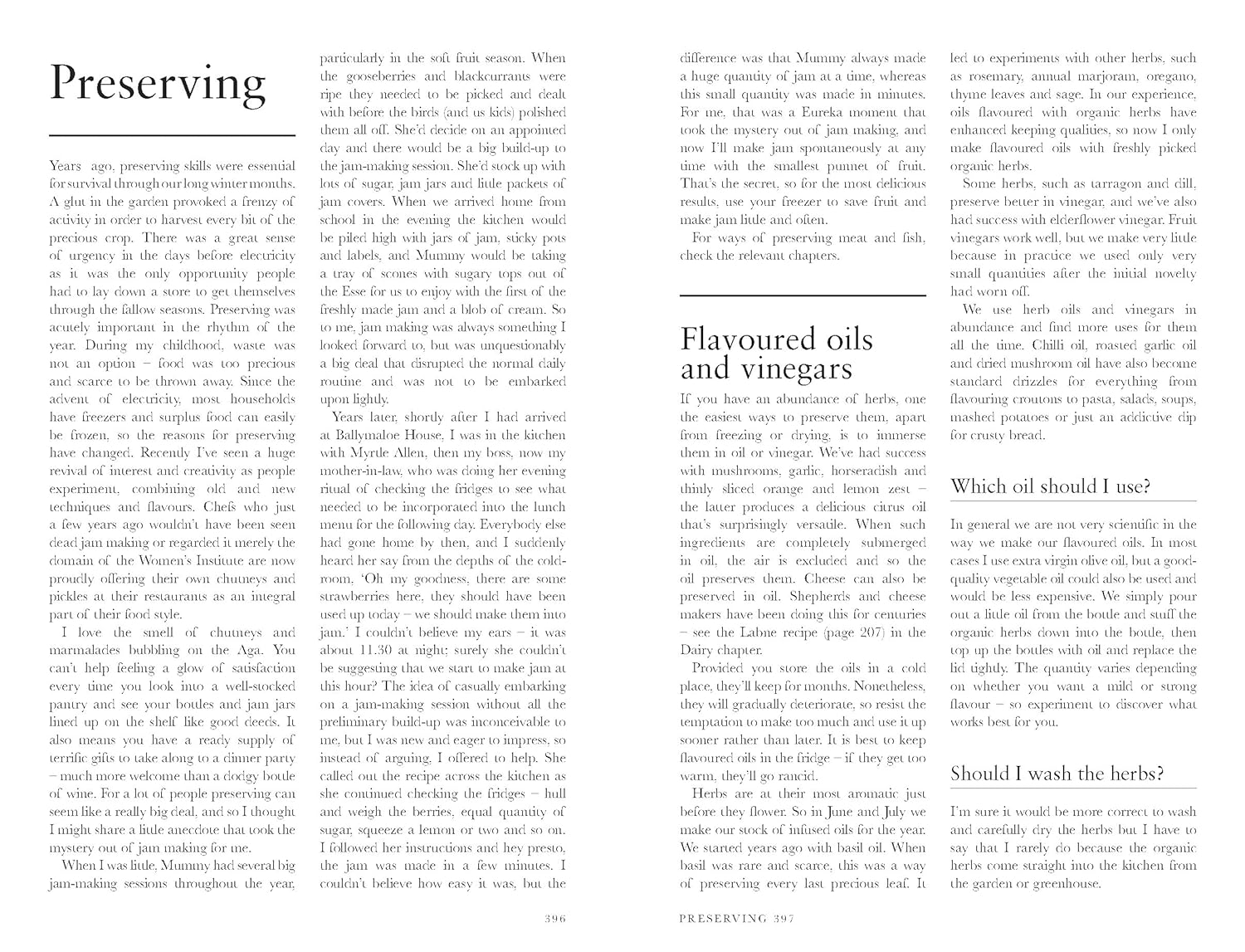
Exploring the pages of “Forgotten Skills of Cooking” has been nothing short of an exciting journey for us. This cookbook is more than just a collection of recipes; it’s a narrative that connects us to the rich traditions of cooking that have been slowly fading away. As we flip through its pages, we can’t help but marvel at how these time-honored skills can transform our approach to food. From making our own yogurt to foraging wild herbs, the book invites us to rediscover the joys of cooking that many of us may have overlooked in our fast-paced lives.
One of the most striking elements we’ve encountered is the emphasis on local ingredients and seasonal cooking. This isn’t just about preparing meals; it’s about understanding where our food comes from and how to make the most of it. We learned how to cook with the seasons, reminding us to seek out fresh produce and embrace what’s available locally. The book nudges us to experiment with traditional methods, like how to smoke our own bacon or create an exquisite figgy toffee pudding from scratch. Even the stories woven throughout provide a rich context to the recipes, reminding us of the profound connections we have to our culinary heritage.
This isn’t just a book for seasoned chefs; it appeals to novices too. We found recipes that are uncomplicated yet incredibly rewarding to prepare. The practicality of the dishes ensures that they can fit into our busy lives, while also allowing us to engage in cooking as a creative outlet. Simple but effective tips on using leftovers, preserving ingredients, and basic homesteading practices have motivated us to be more resourceful in the kitchen-a lost art in today’s world of convenience foods.
Moreover, the stunning photography and written instructions breathe life into the cooking process. Each recipe feels like an adventure waiting to unfold, and we can easily envision sharing these dishes with friends and family.Whether it’s a quaint dinner filled with laughter or cozy moments spent cooking with our kids, this book encapsulates the beautiful experience of gathering around food. It has reignited our passion for the kitchen and offers practical ways to pass these invaluable skills to the next generation.
As we dive deeper into the joys of traditional cooking, it’s clear that “Forgotten Skills of Cooking” isn’t just a cookbook; it’s a manifesto for wholesome living. It beckons us to slow down, appreciate the craft of cooking, and, most importantly, savor the flavors of our culinary past. With every turn of the page, we feel a renewed sense of purpose in our cooking journey, eager to explore, create, and share these moments around the table.
Our Culinary Recommendations for Embracing Tradition in Modern Cooking

Embracing tradition in modern cooking involves more than just following recipes; it’s about learning the heritage and skills that have shaped culinary practices for generations. The book stands as a beacon for anyone looking to reconnect with the art of traditional cooking, showcasing 700 recipes that truly exhibit why time-honoured methods remain relevant today. from making your own yogurt and butter to foraging for wild edibles, it’s all about rediscovering the flavors we may have forgotten. With its comprehensive approach, this guide is perfect for both novices and seasoned chefs alike, as it encourages us to bring back methods that might have slipped through the cracks.
What we appreciate most in our culinary journey is how the book intertwines history with practical cooking advice. There are fascinating insights throughout, like the story about the use of specific salts in country ham, which takes us back to simpler times when food was linked to culture and community. This isn’t just a collection of recipes; it’s an engaging narrative that reminds us of the joy and satisfaction derived from the kitchen, especially when using fresh ingredients, some of which we might even grow ourselves. We find that making these recipes brings a level of enjoyment that can’t be replicated by modern conveniences.
Inside this culinary treasure,we discover all sorts of innovative ideas,from edible flower ice cubes for summer drinks to thrifty tips on using leftovers to create new meals. It becomes a fun adventure for us as we venture beyond traditional cooking methods and explore ways to be more sustainable and self-sufficient.There’s something captivating about the revival of techniques such as home-curing bacon,which not only hones our skills but also enhances our appreciation for the food we eat. With its emphasis on vibrant flavors and using the best-quality ingredients, we feel inspired to step away from pre-packaged items and take charge of our culinary fate.
This cookbook is not just about the food; it reflects a lifestyle that values the simple, yet profound ways we connect with what we eat. Beautifully illustrated with glossy pages and accompanied by enriching anecdotes, it becomes a visual feast as much as a practical guide. We firmly believe that anyone who has a passion for cooking-and those just starting-will find themselves captivated by the recipes and stories, making it a must-have on our kitchen shelves. The blend of classic techniques with modern-day sensibilities caters to our desire for authenticity in our cooking.
we wholeheartedly recommend adding this book to our collection. Its range of recipes, combined with its valuable insights into traditional skills, makes it a standout in the culinary landscape. It’s not just a cookbook; it’s a journey back to our culinary roots while encouraging us to create delicious, meaningful meals in our homes. Ready to explore these timeless skills? Buy Now on amazon
Customer reviews analysis
Customer Reviews Analysis
As we delve into customer feedback for Forgotten Skills of Cooking: 700 Recipes, a multi-faceted picture emerges, showcasing the book’s strengths and areas for improvement. From passionate enthusiasts to seasoned cooks, voices from all sides come together in a chorus of opinions highlighting what makes this culinary tome a noteworthy addition to any kitchen.
Overall Sentiment
Many customers express a profound appreciation for the breadth and depth of the content. The blend of historical anecdotes, practical tips, and over 700 innovative recipes seems to strike a chord with those looking to reconnect with traditional cooking methods. However, some critiques emerge, primarily around the adaptations made in the formatting for diffrent regions.
Highlights from Customer Reviews
| Positive Aspects | Negative Aspects |
|---|---|
| Comprehensive resource for traditional cooking. | Adaptations may detract from authenticity for certain regions. |
| Unique recipes that incorporate foraged foods. | lack of cohesive chapter association in some editions. |
| Rich historical context and personal stories. | Some recipes deemed not notably different from common practices. |
| Beautifully illustrated with practical knowledge. | Some readers find it overwhelming for busy lifestyles. |
Recurring Themes
From our analysis, a few key themes resonate throughout the reviews:
- Historical Awareness: Many users appreciate the book’s incorporation of historical cooking techniques, enhancing their understanding of culinary traditions.
- Practicality and Self-sufficiency: The information on foraging, preserving foods, and making homemade products sparks enthusiasm among those interested in sustainable living.
- Aesthetic Appeal: The book’s visual presentation is frequently mentioned, with customers noting its glossy pages and beautiful photographs that make the reading experience enjoyable.
Conclusion
the feedback we’ve gathered on Forgotten Skills of Cooking reveals a mostly positive reception, with many customers eager to explore its rich content. While some challenges exist,particularly concerning regional adaptations and organization,the overwhelming response emphasizes that this cookbook is both a delightful gift and an invaluable resource for anyone looking to deepen their cooking skills and connect with the past. As one enthusiastic reviewer put it, “If you only ever own one cookbook, this is it.” we believe that with its blend of recipes, advice, and storytelling, this book can truly inspire both novice cooks and seasoned chefs alike.
Pros & Cons

Pros & Cons of “Forgotten Skills of Cooking: 700 Recipes”
| Pros | Cons |
|---|---|
| Rich collection of Recipes: This book features 700 recipes, providing an extensive variety that caters to both novice and experienced cooks. | Time-Consuming Techniques: Many recipes emphasize traditional methods which may require more time and effort than modern, fast-fix approaches. |
| Essential skills:** it teaches valuable skills such as yogurt making and home-curing, promoting self-sufficiency and sustainability. | Not Suitable for Everyone: Those with busy lifestyles or little interest in traditional cooking may find some content less relevant. |
| Thrifty Tips: The book offers excellent advice on using up leftovers creatively, which can help reduce waste and save money. | Limited Modern Adaptations: Some readers may find the book lacks adaptations for modern dietary preferences, such as veganism or gluten-free recipes. |
| Nostalgic Recipes: The inclusion of nostalgic favorites may evoke fond memories and encourage family cooking traditions. | Space Requirements: Certain activities (like keeping hens) may not be practical for urban dwellers with limited space. |
| Expert Authorship: Authored by renowned chef Darina Allen, the book reflects expert knowledge backed by years of teaching. | Physical Format Consideration: At 576 pages, it may be bulky for some readers to handle in the kitchen. |
“Forgotten Skills of Cooking: 700 Recipes” is a treasure trove for those looking to reconnect with traditional culinary arts. While it offers a wealth of knowledge and nostalgic recipes, potential buyers should consider the investment of time and practicality in their cooking endeavors. Together,we can decide if this book fits our cooking journey.
Q&A
Q&A Section for “”
Q1: What makes “Forgotten Skills of Cooking” different from other cookbooks?
A1: This cookbook is not just about recipes; it’s a celebration of traditional cooking techniques that have largely been forgotten in our fast-paced lives. We’re drawn to its rich insights into skills like making yogurt and sourdough, home-curing meat, and foraging for wild foods. It combines practical recipes with a nostalgic look back at the art of cooking, allowing us to create not only meals but also memories.
Q2: Is this book suitable for beginners in the kitchen?
A2: Absolutely! While some techniques might seem advanced at frist, the book breaks each skill down into manageable steps. We appreciate how Darina Allen encourages us to take our time and learn the processes rather than rush through them. With 700 recipes to choose from,beginners can find simple ways to ease into traditional cooking.
Q3: Are the recipes accessible to everyone, or are they more suited for rural cooks?
A3: The beauty of “forgotten Skills of Cooking” lies in its universal appeal.Whether we live in urban apartments or spacious country houses, this book offers practical skills and ingredients that can be sourced by anyone. Foraging may be more practical for those in rural areas, but many recipes can be easily adapted with store-bought alternatives.
Q4: What kind of recipes can we expect in this book?
A4: We can look forward to a wide range of recipes, from comforting classics like traditional stuffed roast chicken and figgy toffee pudding to practical teaching on how to make our own butter or yogurt. Each recipe brings a piece of culinary history to our kitchens, reminding us of the delicious and simpler flavors we may have forgotten.
Q5: How does the book address food waste?
A5: One of the standout features we appreciate is the focus on using leftovers creatively. Darina Allen shares thrifty tips for repurposing food, reducing waste, and maximizing our resources. This approach not only helps our wallets but also aligns well with modern sustainability efforts. It’s a refreshing reminder that cooking can be both economical and enjoyable.
Q6: Can we use this book for special dietary needs?
A6: While the book doesn’t specifically cater to dietary restrictions, it provides foundational cooking skills that empower us to modify recipes as needed. Whether we’re gluten-free, dairy-free, or vegetarian, the techniques taught here can frequently enough be adapted to fit our needs. We especially enjoy exploring the creative possibilities that traditional methods offer!
Q7: Is the book worth the investment?
A7: Given the breadth of knowledge, skill-building, and recipes included, many of us find great value in this book. At 576 pages, it serves as both a reference and a source of inspiration, making it a worthwhile addition to any kitchen, nonetheless of our cooking level or experience. Plus, the nostalgia it brings to our culinary journey is priceless!
Q8: How does the format of the book enhance the cooking experience?
A8: with a well-structured layout, clear instructions, and lovely illustrations, the format truly complements our journey through traditional cooking. We find it easy to navigate through the recipes and techniques, making our cooking adventures enjoyable and stress-free. The book feels less like a textbook and more like a cherished friend guiding us through the process.
We hope this Q&A section helps clarify any questions you may have about “forgotten Skills of Cooking.” It’s more than just a cookbook-it’s a journey back to the roots of how food brings us joy and connection.
Elevate Your Lifestyle
As we reflect on our journey through “Forgotten Skills of Cooking: 700 Recipes,” it’s clear that this book not only serves as a comprehensive guide to traditional culinary skills, but also invites us to connect with the comforting flavors of our past. with its wealth of recipes and practical techniques, we are armed with the knowledge to bring time-honored dishes back to our kitchens, breathing new life into everyday meals and special occasions alike.Whether we’re learning to make our own butter,keeping backyard hens,or indulging in the simple joys of foraging,this book reminds us of the satisfaction that comes from crafting food with our own hands. It encourages us to embrace the slower, more intentional side of cooking – a welcome antidote to the fast-paced world we live in.
So,let’s gather our loved ones,roll up our sleeves,and embark on our culinary revival together. The pages of “Forgotten Skills of Cooking” are ready to inspire us to create memories that will nourish not just our bodies, but our souls.If you’re ready to dive into the world of traditional cooking and rediscover the joys of home culinary practices, don’t hesitate to grab your copy today! You can find it here: Forgotten Skills of Cooking: 700 recipes. happy cooking!