In a world where feelings of melancholy and sorrow can often weigh us down, we find ourselves seeking solutions to uplift our spirits and restore our sense of joy. Enter “What Are the Best Preservatives Against Melancholy and Overmuch Sorrow?”-a profoundly insightful work by Puritan Richard Baxter that promises to guide us through the murky waters of despair. Having recently delved into this enlightening text, we can attest to its depth and relevance, even centuries after its initial publication.
Baxter explores the roots of melancholy, dissecting the various causes that lead us into a cycle of sadness ranging from physical ailments to guilt and flawed thinking. His wisdom offers not just an understanding of our emotional struggles but also practical cures and counsel for nurturing ourselves and those around us who may be suffering.From the pages of this carefully curated edition-which includes a biographical sketch of Baxter himself and an outline of his sermon-we are invited to reflect on our own experiences with sorrow.
Join us as we peel back the layers of Baxter’s teachings in this review, examining the timeless strategies he proposes for healing our hearts and minds. Whether you’re grappling with your own melancholic feelings or seeking to assist someone in distress, we’ll discover how this Puritan classic serves as a beacon of hope and a pragmatic guide through life’s inevitable low moments.
Table of Contents
Exploring the Essence of Joy with the Best Preservatives against Melancholy and Overmuch Sorrow

When we think about preserving joy, it’s essential to address the darker aspects of our emotional landscape. the book “What Are the Best Preservatives Against Melancholy and Overmuch Sorrow?” provides us with profound insights into understanding and counteracting the feelings of sadness that can sometiems overwhelm us. This work by Richard Baxter dives deep into the reasons behind melancholy and presents practical guidance on how to cope. We believe that having tools to combat sorrow is invaluable, especially when life gets tough.
This remarkable piece doesn’t just dwell on the causes of melancholy; it also emphasizes the importance of recognizing when sorrow becomes unhealthy. It highlights essential concepts like the effects of physical ailments, sinful discontent, and the overwhelming guilt that comes with mistakes in thinking. Baxter’s approach is comforting,as he reminds us that we are not alone in our struggles. The book also gives beautiful advice on how to care for someone who might potentially be dealing with these feelings, reinforcing the notion that connection is a notable part of healing.
One of the book’s standout features is its practical request. We appreciate that it offers straightforward solutions to the common pitfalls of melancholy. It invites readers to reflect on their thoughts and feelings while equipping them with strategies to protect their joy. This thoughtful approach is what makes it a valuable companion in our emotional toolkit. The clear guidance and ancient context provided by Baxter ensure that we have rich content to draw from when we need it most.
In our journey with this book, we have felt inspired to explore our emotions more openly. With each page, we are reminded that joy is often a choice, even in the midst of sorrow. This understanding is what we consider a true preservative against overmuch sadness. The practical advice in this book allows us to navigate our emotional challenges with grace and resilience.
In closing, Baxter’s exploration of joy and sorrow is a testament to the enduring struggle of the human experience. For anyone looking to deepen their understanding of these emotions, this is a must-have resource. If you’re ready to take a step towards emotional well-being,we can’t recommend this book enough.
Ready to purchase? Get it now on Amazon
Unpacking the Unique Features That Brighten Our Spirits
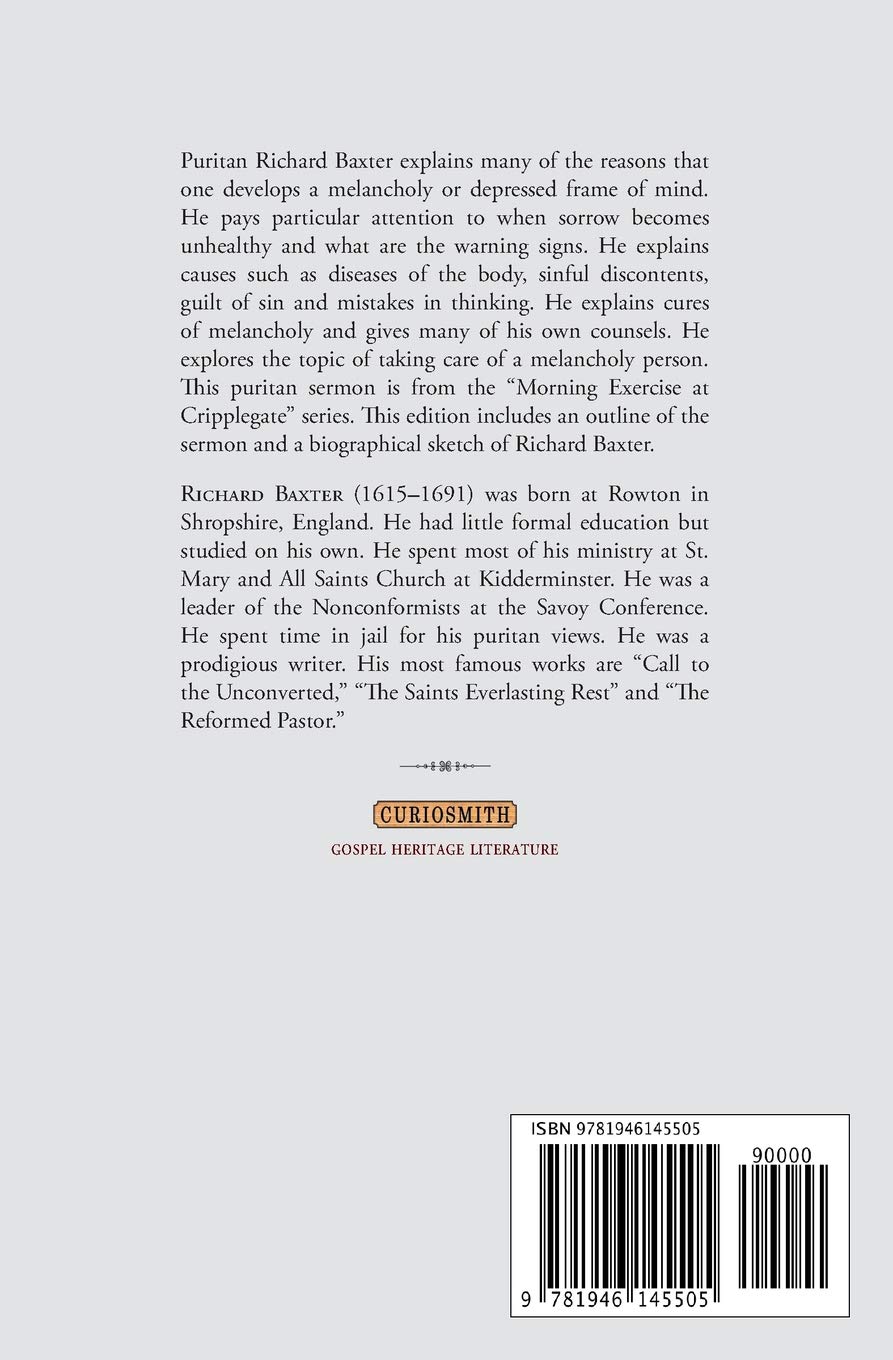
When we dive into “What Are the Best Preservatives Against Melancholy and Overmuch Sorrow?”, we discover a treasure trove of insights that resonate with so many of us-or at least we can hope they do. This book, authored by Richard baxter, guides us through the often murky waters of sorrow and melancholy. It delves into various causes of despair while illuminating paths towards healing and restoration. Baxter’s engaging analysis helps us grasp the intricacies of our emotions, inviting us to consider constructive approaches to navigate our sadness.
Baxter skillfully identifies warning signs that signal when our sorrow might be crossing into unhealthy territory. We find ourselves reflecting on personal experiences as he explores factors such as bodily ailments, guilt, and distorted thinking processes. The way Baxter articulates the roots of melancholy helps us connect with our own feelings more deeply. It’s as if he’s a trusted friend sitting beside us, guiding us through a tough conversation about our mental health.
One of the standout features of this work is Baxter’s practical advice on caring for oneself during times of distress. he doesn’t just highlight the sources of our sorrow; he provides tangible counsel on how to address it. This balance of acknowledgment and proactive healing strategies energizes us. As the pages turn, we find comfort in knowing we are not alone in our struggles. Baxter extends a hand, encouraging us to open our hearts to the possibility of recovery and hope.
Moreover, the enriching details provided about Baxter’s life add layers to our understanding of his wisdom. Learning about his years of self-study and ministry provides context to his insights and makes his suggestions feel even more relatable. Baxter’s struggles resonate with many of us, reminding us that full-bodied understanding comes from lived experience. As we reflect on our own journeys, we find solace in sharing this space of vulnerability and resilience.
All in all, the unique features of this book serve as remarkable preservatives against melancholy and overmuch sorrow. it invites us to look beyond our immediate feelings and explore broader perspectives. Baxter’s writing encourages reflection, action, and connection-all significant pillars for overcoming unhappy moments in our lives.
Diving Deeper into the Ingredients That Foster Resilience
In our journey through life,we often encounter moments of melancholy and sorrow. These feelings can sometimes feel overwhelming, but that’s where understanding the ingredients that foster resilience becomes vital. This insightful guide on dealing with life’s heavy emotions offers a thorough look at how we can cultivate mental strength and find a path to healing.
Richard Baxter, a significant figure in Puritan literature, emphasizes the importance of recognizing the various factors contributing to melancholy. From physical ailments to mental discontent, he provides a well-rounded perspective on the subject. The book delves into the root causes of sorrow, allowing us to pinpoint the symptoms and address them effectively. By leveraging Baxter’s wide-ranging insights,we can equip ourselves with the tools necessary to combat debilitating sadness.
Baxter not only highlights the causes of melancholy but also suggests practical cures and strategies for nurturing a resilient mindset.his wisdom about self-care, patience, and the importance of community support serves as a reminder that we are not alone in our struggles. Through his candid advice, we learn that resilience isn’t a solitary pursuit but a shared human experience, resonating deeply within our lives.As we engage with this timeless work, we uncover profound lessons about emotional well-being. The book encourages us to tackle our sorrow head-on and invites us to reflect on our mental health. by absorbing Baxter’s teachings,we can better understand our own feelings of melancholy and,importantly,how to move past them with grace and resilience.
Sharing personal Insights on Our Transformative Journey
Our transformative journey with “What Are the Best Preservatives Against Melancholy and Overmuch Sorrow?” has been nothing short of enlightening.As we navigated through its pages, we were struck by richard Baxter’s profound understanding of melancholy and sorrow. he tackles these feelings with care, compassion, and practical wisdom that resonates deeply with us. Baxter outlines the root causes of a troubled mind, including physical ailments and the guilt that can come from our choices. This exploration made us reflect on our own experiences with melancholy, and it felt like finding a guiding light in moments of darkness.
Through Baxter’s thoughtful analysis, we discovered various strategies for mitigating sorrow. His suggestions range from engaging in meaningful activities to seeking healthy relationships. What really stood out for us was his ability to identify when sadness crosses the line into deeper issues. This book served as both a mirror and a map, allowing us to better understand our own emotional landscapes while guiding us toward actionable steps for healing. His insights felt relatable and traditional, yet they remain relevant in today’s fast-paced world.
As we delved deeper into Baxter’s counsel, it became clear how adaptable his advice is. We found it especially helpful to apply his methods not just for ourselves, but also in supporting those around us. Whether it’s about lending an ear to a friend or encouraging someone to seek help, we felt equipped with baxter’s guidance. The depth of his faith and the clarity of his thought provides a unique perspective, fostering a sense of community and support in tackling these universal challenges.
In our journey through this text, we embraced the idea that melancholy doesn’t have to be faced alone. Baxter’s work encourages open conversations about mental health, uplifting the notion that acknowledgment and care are crucial. Reflecting on our shared experiences, we felt empowered to deal with our own sorrows, while also becoming advocates for others in their struggles.This book isn’t just a reading experience; it’s a transformative guide that gently nudges us toward healing and understanding.
Ultimately, engaging with this material has reshaped how we view sadness and support systems. Baxter reminds us that it’s okay to feel vulnerable, and his gentle approach makes it easier to confront these feelings. We have come away not only with practical advice but also with the emotional tools to cultivate a healthier mindset. If you’re looking for guidance and reassurance in your own journey through melancholy, we wholeheartedly believe that this book can be the key to opening those doors.
Empowering Recommendations for Lasting Positivity and Well-Being
Today,we wont to talk about a remarkable resource for anyone seeking clarity on emotional well-being. In “What Are the Best preservatives Against Melancholy and Overmuch Sorrow?” by Richard Baxter, we uncover profound insights about managing sorrow and melancholy.This book navigates the pathways to mental resilience, offering practical advice that can resonate with our everyday lives.
One of the features that stand out in this exploration is Baxter’s compassionate approach to understanding the root causes of melancholy. He articulates the different influences that can weigh heavily on our hearts, such as mistaken thoughts, guilt, or even physical ailments. His suggestions on how to combat these feelings are rooted in a deep understanding of human experience. What’s truly empowering is how accessible his wisdom is; we can easily integrate these recommendations into our daily routines to foster a more positive mindset.
Our favorite part about this book lies in its detailed exploration of the signs of unhealthy sorrow. Baxter doesn’t just tell us what we should do; he offers tangible, actionable steps. He encourages us to care for ourselves and for others who might potentially be struggling with similar feelings.Whether it’s through kind words, encouraging mindfulness, or simply being present, Baxter illustrates the importance of empathy and community in overcoming emotional challenges.
The practical advice Baxter provides goes beyond conventional wisdom. He reminds us that melancholy is not just a personal burden; it’s a collective experience. By sharing this insight, he empowers us to engage in more supportive relationships, helping others navigate their own struggles. Through this work, we find an encouraging reminder that we can lift each other up, turning sorrow into strength, thereby paving the way for lasting positivity and well-being.
Customer Reviews Analysis
Customer Reviews Analysis
In our quest to discern the best preservatives against melancholy and overmuch sorrow, we turned to the voices of those who have engaged with Richard Baxter’s spiritual and practical insights. The feedback we’ve gathered showcases a range of perspectives, revealing not only the book’s impact but also its value as a resource for grappling with life’s deeper emotional currents.
Key Insights from Customer Reviews
| Reviewer | Rating | Comment |
|---|---|---|
| anonymous | 5/5 | “Richard Baxter’s ministry continues on through his writing.” |
| Anonymous | 5/5 | “A great resource for followers of the Lord Jesus Christ.” |
| Anonymous | 4/5 | “A truly comprehensive work to supplement your reading of the Bible.” |
| Anonymous | 4/5 | “Deals with many interconnected issues that readers looking for help will appreciate.” |
The general consensus indicates that readers find Baxter’s work to be not just enlightening but also practical. Those seeking solace and guidance expressed their appreciation for the depth of insight provided. One reviewer noted specifically how the interconnectedness of the topics helps them to navigate complex emotional landscapes. This highlights the importance of resources like Baxter’s that address overlapping issues of despair and spirituality.
Overall Impression
we can see that “What Are the best Preservatives Against Melancholy and Overmuch Sorrow?” resonates with many readers. It offers a way to augment their understanding and approach to life’s trials with a solid spiritual foundation. Richard baxter’s ability to articulate these timeless issues makes his work a staple for anyone wrestling with their inner sorrows. As we reflect on these reviews, we feel encouraged to further explore the depths of his wisdom, as a means to preserve our emotional well-being in the face of melancholy.
pros & Cons
Pros & Cons of “What Are the Best preservatives Against Melancholy and Overmuch Sorrow?”
| Pros | Cons |
|---|---|
|
Deep Insights: Richard Baxter provides profound understanding of the psychological and spiritual roots of melancholy, making it a compelling read for those seeking depth. |
Historical Context: As a sermon from the 17th century, some may find the language and context a bit archaic or less relatable to modern sensibilities. |
| Practical Guidance: The book includes valuable strategies and counsels for both individuals struggling with sorrow and those supporting them. |
limited Scope: While it addresses a significant range of causes for melancholy, it might not cover all contemporary mental health perspectives. |
|
Author’s expertise: As a leader in the Nonconformist movement,Baxter’s credibility and extensive writings lend authority to his insights on mental health. |
Religious Undertones: Some readers might find the religious aspects less appealing or applicable,depending on their personal beliefs. |
|
Compact Format: The 112-page length is manageable and easy to digest, making it more accessible for readers with busy schedules. |
Pricing: depending on budget, some may find the price point to be a bit steep for a book of this length. |
while “What Are the Best preservatives Against Melancholy and overmuch Sorrow?” offers valuable perspectives and practical advice, it may not resonate with everyone due to its historical context and religious framework. We believe it is a fruitful read for those interested in exploring the intersection of faith and mental wellness.
Q&A
Q&A Section for “”
Q1: What makes Richard Baxter’s insights on melancholy relevant today?
A: Richard Baxter was ahead of his time,addressing the complexities of the human mind and spirit in a way that resonates with our contemporary understanding of mental health. His exploration of the roots of melancholy-including guilt, bodily conditions, and flawed reasoning-offers a holistic view that is still applicable today.We appreciate that his advice encompasses not only personal reflection but also practical ways to support those grappling with sorrow.
Q2: How does this book address the treatment of melancholy?
A: Baxter provides a rich tapestry of counsel for both the afflicted and their caregivers. He lays out various strategies ranging from spiritual practices to shifts in mindset. By structuring his ideas around the symptoms and signs of unhealthy sorrow, we find his guidance actionable and insightful. This thoughtful approach invites us to consider how we care for others in their moments of distress.
Q3: Is this book suitable for people unfamiliar with religious texts?
A: Absolutely! While Baxter’s work is rooted in a Christian context,the timeless themes of mental wellness and emotional support transcend religious boundaries. We believe readers from diverse backgrounds can garner valuable insights and apply them in their own contexts, regardless of faith.
Q4: Are there any specific tools or practices recommended by Baxter?
A: Yes, Baxter delves into several practical tools, including mindfulness of one’s thoughts, the importance of community support, and scriptural reflections. We find that these practices not only serve as preservatives against sorrow but also empower individuals to cultivate joy in their lives. Baxter’s emphasis on thoughtful reflection proves to be a meaningful takeaway for us all.
Q5: Can this book lend itself to group discussions or study?
A: Without a doubt! Given Baxter’s layered insights, we believe this book is an excellent choice for group discussions. Its rich content and historical context offer abundant opportunities for deep conversations about mental health, spirituality, and community support. It encourages collective reflection, allowing us to explore our understanding of sorrow and healing together.
Q6: What can we expect from the biographical sketch included in this edition?
A: the biographical sketch of Richard Baxter adds a personal dimension to the book, situating his thoughts in the context of his life experiences.Readers can expect to learn about Baxter’s struggles, his determination in the face of adversity, and how his personal faith journey influenced his approach to melancholy. This narrative not only humanizes his writing but also inspires us to reflect on our own lives.
Q7: How does Baxter differentiate between healthy sorrow and malignant melancholy?
A: Baxter offers keen insights into the nuances of sorrow, helping us identify when it evolves into something more harmful. He points out critical warning signs that should prompt us to seek help or intervention. This differentiation helps us better navigate our emotions and encourages a more compassionate response towards ourselves and others struggling with sadness.
We hope these answers illuminate the value of Baxter’s teachings and encourage you to explore further. Engaging with his work may just be one of the best preservatives against melancholy and overmuch sorrow we encounter.
Embrace a New Era
As we wrap up our exploration of Richard Baxter’s “What Are the Best Preservatives Against Melancholy and Overmuch Sorrow?”, it’s clear that this thoughtful examination offers a wealth of insights into the complex nature of sorrow and how it affects our well-being. Baxter’s deep understanding of melancholy and the factors that contribute to it resonates strongly today, reminding us of the importance of emotional care, self-reflection, and community support.
Whether you’re seeking guidance for yourself or looking to support a loved one, this sermon serves as a valuable resource for combating the difficulties of an unhappy mindset.Baxter’s blend of practical advice, compassionate counsel, and spiritual wisdom equips us with the tools we need to navigate through dark times.
We encourage you to delve into this enlightening read and discover the means to enhance your mental well-being. Embrace the journey toward joy and resilience-after all, understanding is the first step in healing.
If you’re ready to take the next step and explore the profound insights contained within this book, you can find it here: What Are the Best preservatives Against Melancholy and Overmuch Sorrow?. Happy reading, and may it bring you peace and clarity on your path to emotional health!